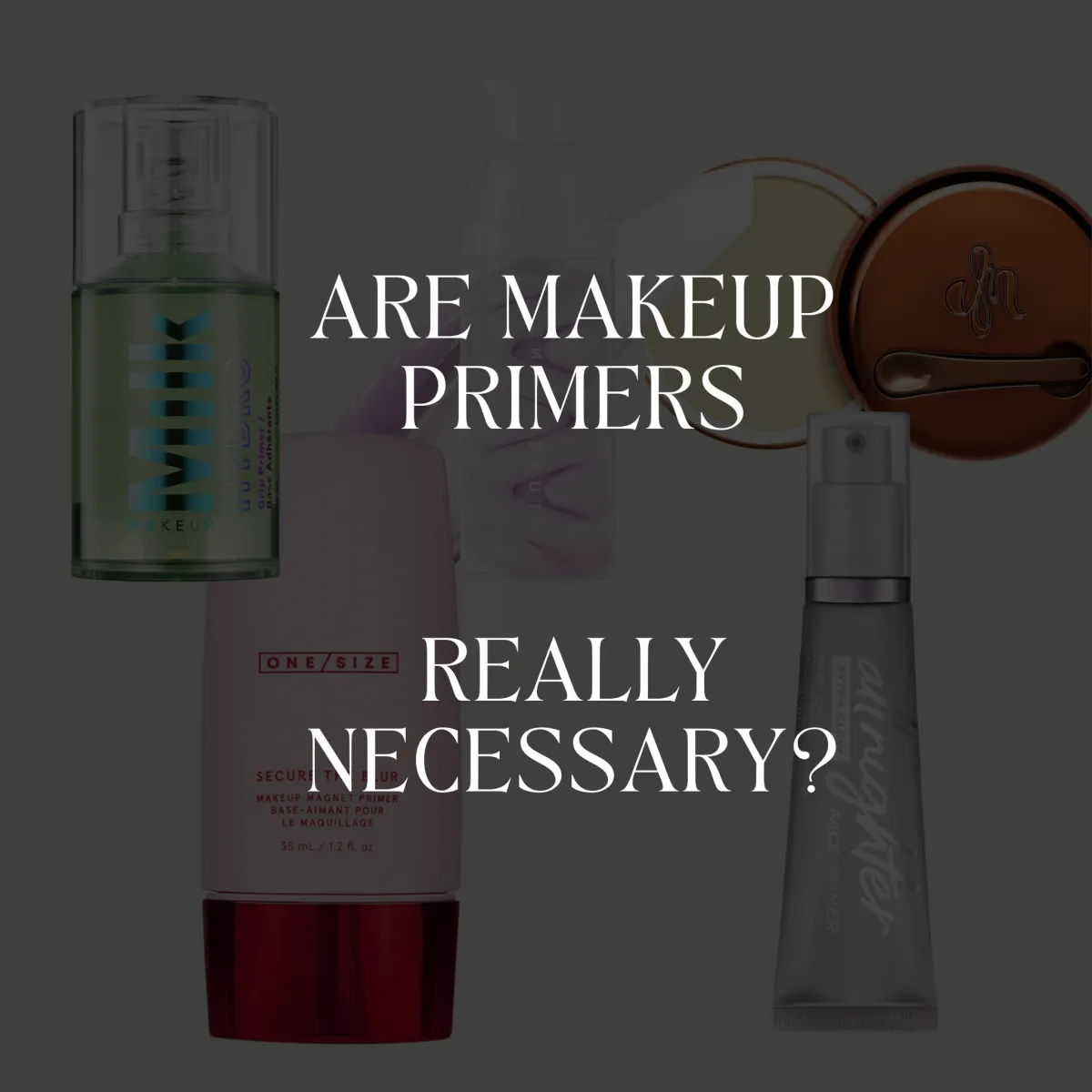
Are Makeup Primers Really Necessary?
Are Makeup Primers Really Necessary?
A Professional Makeup Artist Explains
Have you ever stood in the makeup aisle staring at rows of primers thinking, “Do I actually need this?” Friend you're not alone.
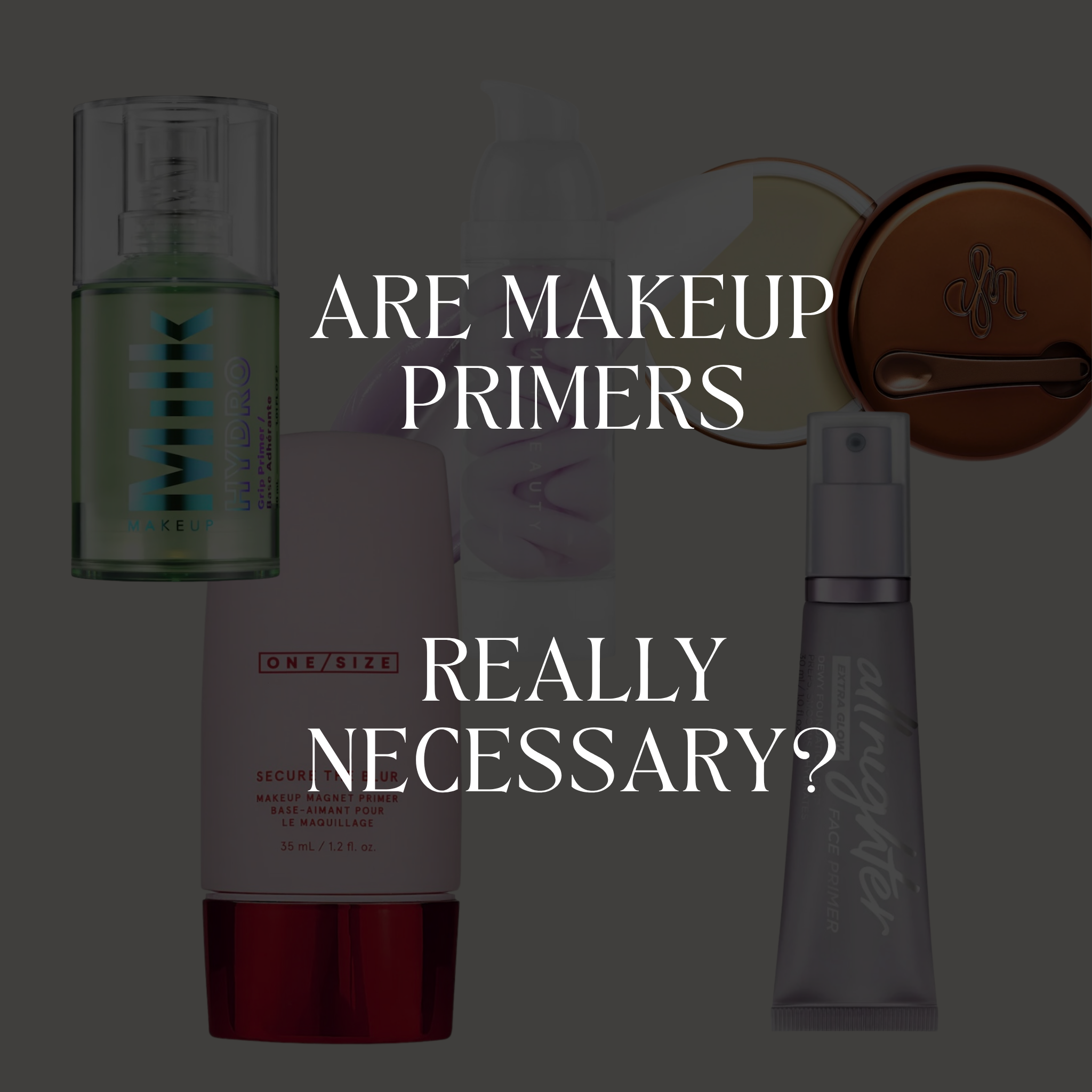
Primer is one of the most talked-about steps in a makeup routine, yet it’s also one of the most misunderstood.
Some people swear by it. Others skip it completely and still get great results.
So what’s the truth?
As a professional makeup artist, I’m going to break down what primer really does, when it actually matters, and when you can skip it completely without overcomplicating your routine.
What Does Makeup Primer Actually Do?
At its core, a makeup primer is designed to prepare your skin for makeup application.
Think of it as the bridge between your skincare and your makeup.
A good primer can help:
• smooth the skin’s texture
• minimize the look of pores
• control oil or add hydration
• help makeup last longer
• create a more even base
This is especially important when you want your makeup to look flawless in person AND on camera.
Why Primer Became So Popular
Primer became popular because people wanted:
•longer-lasting makeup
•smoother skin
•less creasing
•better photos
And yes, primer can help with all of that.
But here’s the part most people don’t realize:
Primer is not a magic fix.
It enhances your makeup — it doesn’t replace technique, skin prep, or product knowledge.
When You Actually NEED Primer
Primer is most helpful when you’re dealing with specific skin concerns.
You’ll benefit from primer if you have:
• Oily skin → mattifying primers help control shine
• Large pores → blurring primers smooth texture
• Dry skin → hydrating primers add glow
• Long events → can potentially help makeup last for hours
For example:
When I’m working with brides, I almost always use primer in target areas because their makeup needs to last through:
•ceremony
•photos
•reception
•dancing
•long hours
That’s when primer becomes strategic.
When You DON’T Need Primer
Here’s where people get surprised.
You can skip primer when:
• your skin is well-prepped
• your skincare is doing its job
• you’re doing a quick everyday look
• you’re not wearing makeup for long hours
A lot of everyday routines work beautifully with just:
• moisturizer
• sunscreen
• foundation or skin tint
And honestly?
Sometimes adding primer can actually make things worse if it’s not needed.
Primer vs Good Skin Prep
This is where most people get it wrong.
They try to fix skin issues with primer instead of fixing the skin itself.
If your skin is:
• hydrated
• exfoliated
• smooth
• protected
Your makeup will already sit better.
That’s why I always say:
Healthy skin reduces your need for extra products.
Primer becomes optional when your base is already strong.
Different Types of Primers (And What They Do)
Not all primers are created equal.
Here’s a quick breakdown:
Hydrating Primers
Best for dry or dull skin
adds moisture and glow
Mattifying Primers
Best for oily skin
controls shine and oil
Blurring Primers
Best for texture and pores
smooths the skin visually
Grip Primers (not my fav at all) 🫠
Best for long wear
helps makeup “stick” and last longer
Choosing the right primer matters more than just using one.
Common Primer Mistakes
This is why many people think primer “doesn’t work.”
• Using the wrong primer for your skin
• Applying too much
• Not letting skincare absorb
• Mixing incompatible formulas
• Expecting primer to fix everything
• Adding primer over entire face when it's only needed in target areas
Primer is a support step — not the star of your routine.
My Professional Take
After working with so many different faces and skin types, here’s my honest answer:
Primer is helpful — but not always necessary.
For everyday makeup?
You can absolutely skip it and still look polished.
For soft glam, events, or long wear?
Primer can help elevate the final result if you are targeting certain area (otherwise your skin prep is the best general primer).
It’s all about when and why you’re using it.
How This Fits Into a Simple Routine
The real difference in your makeup isn’t just primer…
It’s:
• placement
• blending
• product control
• technique
That’s what actually makes your makeup look clean, smooth, and intentional.
Ready for a Routine That Actually Works?
If you’ve ever felt like:
• your makeup doesn’t sit right
• your skin looks textured
• your routine feels confusing
I break down my full Flawless in 15 routine step-by-step so you can create a polished, soft glam look in minutes and without overcomplicating your products.
✨ Learn how to work with your skin, not against it.
Flawless in 15: The Everyday Makeup Technique
Final Thoughts
Primer isn’t a must-have for everyone.
It’s a tool.
Use it when it makes sense.
Skip it when it doesn’t.
Because the goal isn’t to use more products…
The goal is to use the right ones, the right way.
Welcome to My Beauty Blog - Where Real Life Meets Real Glam
If you're here, this is the kind of vibe you can expect:
💖 Real tips
💖 Real beauty routines you can actually use
💖 Real stories
💖 Real level-up moments
And of course.. the soft, elevated, luxurious version of you.
This blog isn't just about makeup.
It's about lifestyle.
Energy.
Confidence.
Showing up for yourself - even on the days you don't feel like it.
I'll catch you in my next blog.
Xo Bestie 💋
